




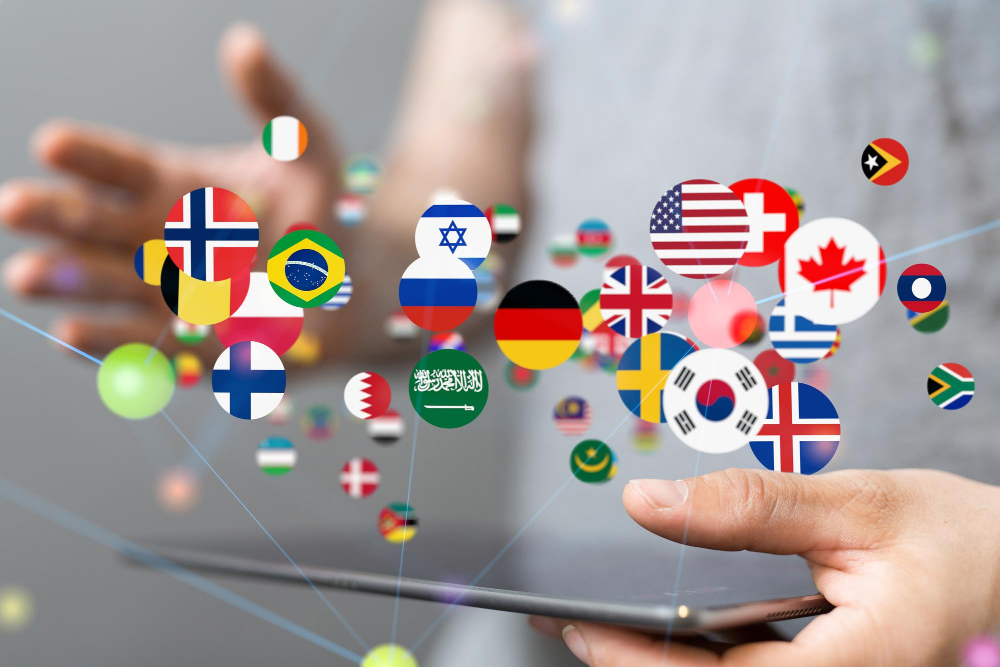
In today’s society which is becoming ever so diverse, brands can no longer rely on the use of a one size fits all approach when marketing to customers. Consumers come from a variety of cultural backdrops, use a multitude of languages, and live varied lives that will affect the interpretation of messages given by brands. By failing to recognize diversity brands could alienate potential customers. There are many opportunities for companies to establish connections and build trust with diverse consumers.
For decades most ads have relied on a broad-stroke approach that delivers a singular message to each consumer, failing to account for the cultural, language, and economic differences between groups. While simple to implement, this type of strategy misses the target
audience with many demographics. Research indicates that people are more responsive to ads which are reflective of their identities and own experiences. Furthermore, according to Nielsen (2021) multicultural consumers have trillions of dollars in spending power.
One of the biggest mistakes organizations make is to assume that translation is enough. It is not enough to translate from English into a foreign language; communities may not understand it, or it may be meaningless. When communicating through multiple cultures, awareness, local knowledge, and relevance to how people absorb media make for successful multicultural communication.

If the message does not take culture into account, it will seem false or disconnected to the audience it is targeted at. A good example of inclusive marketing in action is the work of Setroc Group, a multicultural advertising agency located in New Jersey. The agency partners with the New Jersey Division on Civil Rights on a public awareness campaign to raise awareness among residents of their civil rights protections. Instead of tailoring the message to a geographical area, Setroc Group did demographic research to find the cultural groups, languages, and ways in which communities can be reached in the various areas of New Jersey. (Setroc Group, n.d.).
The initiative was taken to translate into multiple languages besides English and Spanish, like Haitian Creole, Korean, Mandarin Chinese, Gujarati, and Tagalog. Even more significantly, however, a panel of subject-matter experts fluent in their respective languages addressed cultural idioms, concerns endemic to each community, and other such points of cultural context. This prevented messages from appearing to be a superficial translation, instead allowing them to land culturally. Ultimately the campaign encouraged residents through their various (online, print, audio and broadcast social) means to better know their rights and understand protections (Setroc Group, n.d.).
So, for organizations looking to better connect with diverse audiences, what are the key takeaways from this example? First, marketers need to move beyond basic demographic segmentation and invest time in understanding audience values, media habits, and levels of trust. Even within the same community, individuals can have very different perspectives, cultural experiences, and communication preferences.
Second, partnering with community leaders, local cultural organizations, and ethnic media outlets can help build credibility and expand a campaign’s reach. These trusted sources often
have stronger relationships with community members than traditional advertising channels and can help ensure messages are both authentic and effective.
Finally, inclusive marketing is a continuous process rather than a one-time effort. Organizations can use focus groups, community feedback, and campaign testing to better understand how their messaging is being received and identify opportunities for improvement. By listening to audiences and adapting strategies over time, brands can create communications that remain relevant, meaningful, and impactful.
More than ever, inclusive communication is essential. We live in an era of rapidly spreading information and growing skepticism toward institutions, making it increasingly difficult—but also increasingly important—to reach audiences with accurate, trustworthy messages.
Whether the goal is to introduce a product, promote a public service, or educate residents about their rights, culturally informed communication can make those efforts more effective. The days of one-size-fits-all marketing are over. Today’s most successful campaigns are built on understanding, listening, and responding to the unique needs of the communities they serve.
Referencias
Nielsen. (2021). Being inclusive is being effective: The importance of inclusive multicultural
advertising. Nielsen.
Setroc Group. (n.d.). Multicultural marketing and community outreach initiatives. Setroc Group.
Author: Sofia Cortés